

What Is the Difference Between Biological Age and Chronological Age?
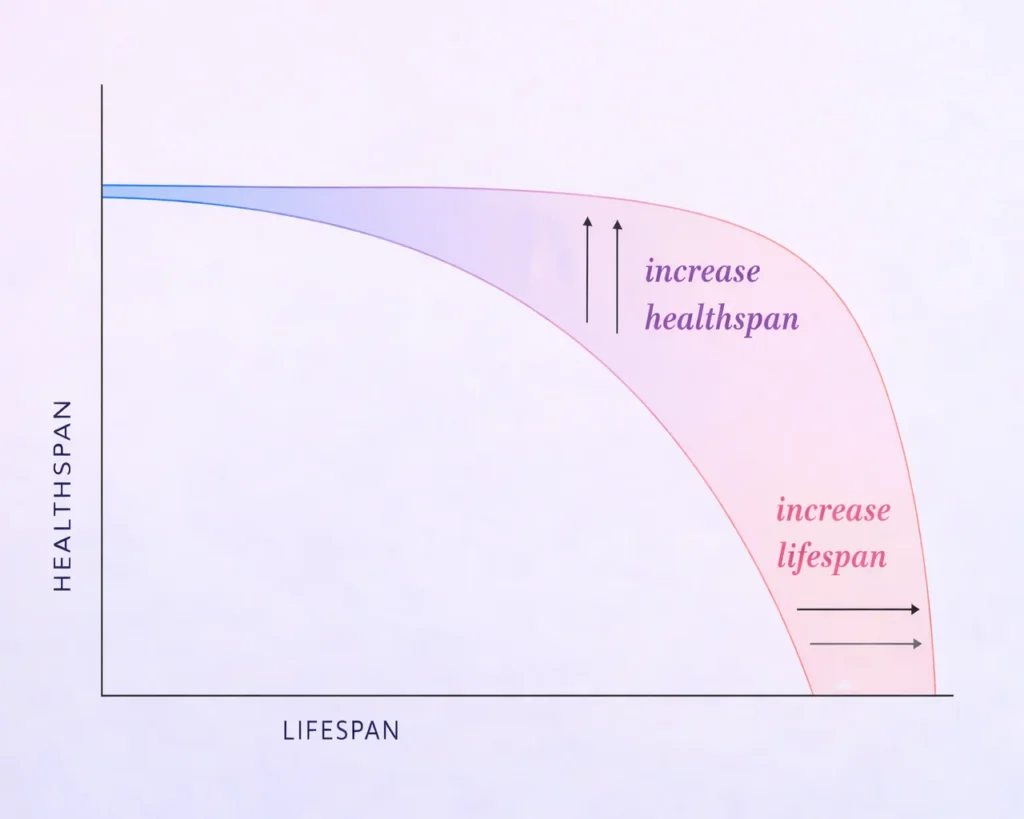
Two people can be the same age but have very different health profiles. Chronological age is the number of years a person has lived, while biological age estimates aspects of how the body is aging based on selected health indicators and biological processes.
Understanding the difference can offer a broader perspective on healthy aging. At HealthSpan Maximized, Dr. Rob Stenstrom interprets clients’ test results and uses relevant health data to develop a personalized plan of action. Clients are referred to outside laboratories or appropriate providers for testing, rather than having tests performed in-house.
What Is Biological Age?
Biological age is an estimate of how the body’s condition compares with patterns typically associated with aging. It may draw on information about physical function, metabolism, blood markers, or molecular changes, depending on the assessment method.
Unlike chronological age, biological age can vary between people who have lived for the same number of years. Differences in genetics, medical history, lifestyle, and environmental exposures may contribute to these variations.
However, biological age is not a single, universally defined measurement. Different assessments examine different aspects of the body, so their estimates may not always agree. A biological age result should be understood as one source of information rather than a complete measure of health.
How Is Biological Age Estimated?
Biological age can be estimated using different combinations of health measurements. Some assessments use routine blood markers, while others examine physical performance or molecular indicators, such as DNA methylation, which involves chemical modifications to DNA.
The method used determines what the estimate represents. For example, an assessment based on blood markers may reflect selected aspects of metabolic or cardiovascular health, while a molecular assessment may focus on changes associated with cellular aging.
Results also depend on the quality of the measurements and the model used to calculate the estimate. Research continues to explore how accurately different methods measure biological aging and how useful these estimates are in clinical practice. For more information, see this scientific review of biological age estimation.
What Factors Affect Biological Age?
Biological aging is influenced by a combination of genetic, environmental, and lifestyle factors. No single habit or health marker determines how the entire body ages.
Factors that may influence health and aging include:
- Genetics and family medical history.
- Physical activity and muscle strength.
- Nutrition and overall dietary patterns.
- Sleep quality and duration.
- Smoking and other environmental exposures.
- Chronic health conditions and long-term stress.
Healthy habits can support cardiovascular health, metabolic function, mobility, and overall well-being. Regular physical activity, nutritious meals, adequate sleep, and avoiding tobacco are important parts of a healthy lifestyle. Heart & Stroke provides further information about lifestyle factors that affect heart and stroke risk.
Although these habits may improve certain health markers, they do not guarantee a lower biological age estimate. Changes in an estimate can also reflect differences in the assessment method or the measurements collected.
What Are the Limitations of Biological Age?
Biological age can provide additional context about selected aspects of health, but it has important limitations. There is no single measurement that captures every organ, tissue, and biological process involved in aging.
Different tests may produce different estimates because they measure different indicators and use different calculation methods. Results can also be affected by the type of sample collected, the health markers included, and the reliability of the assessment.
A lower estimated biological age does not guarantee better overall health, prevent disease, or predict how long someone will live. Similarly, a higher estimate does not automatically mean that a person has a particular medical condition.
Most importantly, biological age assessments should not replace established diagnostic tests, recommended screenings, or a comprehensive clinical evaluation. Results need to be interpreted alongside symptoms, medical history, other test findings, and individual risk factors.
For a broader discussion of these limitations, see this review of biological age predictors.
How Can You Use Biological Age Information?
Biological age information may help you explore selected aspects of your health, but its usefulness depends on the assessment and the questions you want to answer.
Rather than focusing only on whether your estimated biological age is higher or lower than your chronological age, consider what the underlying measurements reveal. For example, relevant health markers may help identify areas that deserve further discussion with a healthcare professional.
A practical approach includes:
- Reviewing results in the context of your medical history and current health.
- Discussing abnormal or concerning findings with a qualified healthcare professional.
- Focusing on evidence-based habits that support cardiovascular, metabolic, and physical health.
- Using repeat measurements cautiously, taking into account the reliability and limitations of the test.
- Making health decisions based on the overall clinical picture rather than a single age estimate.
At HealthSpan Maximized, clients are referred to outside laboratories or appropriate providers for relevant testing. Dr. Stenstrom interprets the results and uses the findings, alongside other relevant health information, to create a personalized plan of action.
The goal is to understand your health more clearly and make informed decisions, rather than treating a biological age number as a diagnosis or a definitive measure of how well you are aging.
Biological Age vs. Chronological Age: A Quick Comparison
Comparison Factor | Chronological Age | Biological Age |
Meaning | Number of years lived since birth | Estimate of selected aspects of the body’s aging |
Measurement | Calculated using date of birth | Estimated using selected health indicators or assessments |
Rate of change | Increases as time passes | Estimates may vary depending on the method and measured indicators |
Influencing factors | Passage of time | Genetics, health, lifestyle, and environmental exposures may contribute |
Health insights | Provides context for age-related health risks | May offer additional information about selected aspects of health |
Differences between people | People born on the same date share the same chronological age | People of the same chronological age may receive different estimates |
Effect of lifestyle | Lifestyle does not change chronological age | Lifestyle may influence related health indicators but does not guarantee a lower estimate |
FAQs
Is Biological Age More Important Than Chronological Age?
Neither is more important in every situation. Chronological age provides a consistent measure of time lived, while biological age may offer additional information about selected aspects of the body’s condition. Both need to be considered in the context of overall health.
Can Biological Age Be Higher or Lower Than Chronological Age?
Yes. Biological age estimates may be higher or lower than chronological age, depending on the indicators measured and the assessment method. The difference should not be interpreted as a definitive measure of how quickly the entire body is aging.
Which Age Better Reflects Your Current Health?
Neither tells the whole story. Biological age may provide additional information about certain health indicators, while chronological age helps provide context for age-related risks. Medical history, symptoms, physical function, and established test results are also important.
Can Lifestyle Changes Lower Biological Age?
Healthy habits can support overall health and may improve some health markers. However, they do not guarantee that a biological age estimate will decrease. Results depend on the assessment method and the indicators being measured.
How Can You Find Out Your Biological Age?
Some assessments use blood markers, physical measurements, or molecular tests to estimate aspects of biological aging. The appropriate method depends on the purpose of the assessment, and a healthcare professional can help explain its potential value and limitations.
Understand Your Health Beyond Age
Understanding the difference between biological age and chronological age can help you look beyond the passage of time and consider the factors that influence your well-being. Biological age estimates may provide useful context, but they are only one part of a broader health assessment.
Dr. Rob Stenstrom interprets test results obtained through outside laboratories or appropriate providers and uses relevant findings to develop a personalized plan of action. This approach helps put health measurements into context and supports more informed discussions about your health goals.
Explore HealthSpan Metrics to learn more about how health data can be interpreted and used to inform a personalized plan.

Leave a comment