

Can’t Sleep Because of Anxiety? Here’s What You Need to Know
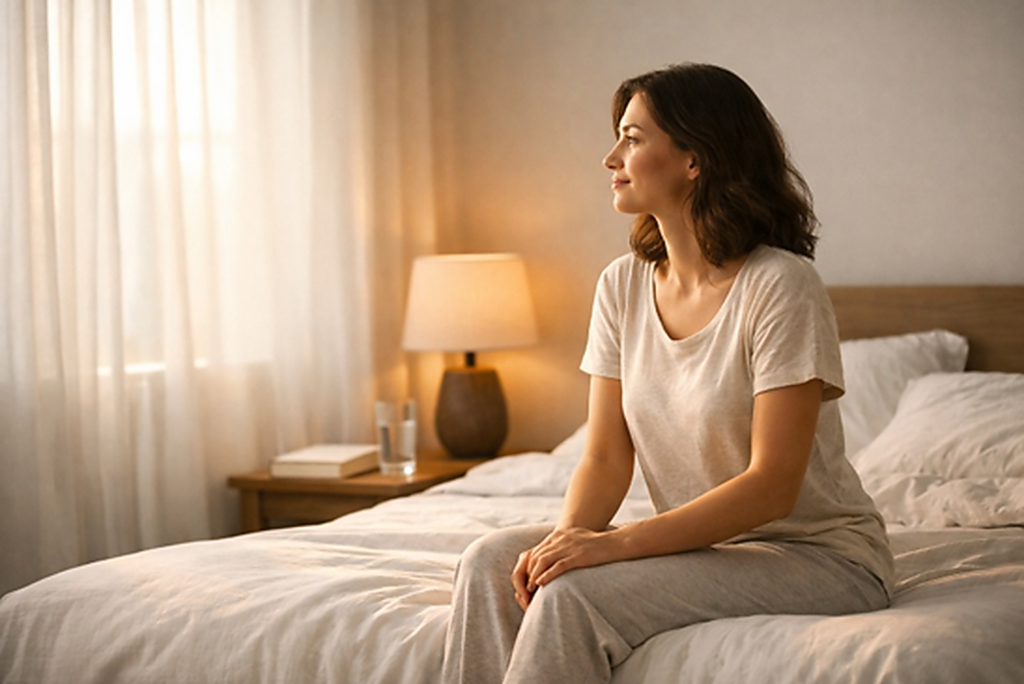
Lying awake at night while your mind keeps racing can be frustrating and exhausting. You may feel physically tired, but your thoughts continue running through worries, responsibilities, future plans, or stressful situations. This is a common experience for people dealing with anxiety.
Many people ask, “Why can’t I sleep because of anxiety?” The answer is that anxiety can keep your brain in an alert state, making it difficult for your body to relax and prepare for sleep.
Sleep and mental health are closely connected. When anxiety affects your sleep, poor rest can make anxiety symptoms feel even stronger the next day. This creates a cycle where stress disrupts sleep, and lack of sleep increases stress.
At HealthspanMaximized, we believe that improving your overall health requires attention to both physical and mental well-being. Understanding how anxiety affects sleep and learning healthy strategies can help you improve your rest, energy, and quality of life.
Why Does Anxiety Make It Hard to Sleep?
Anxiety activates your body’s natural stress response. When your brain senses stress, it releases hormones like cortisol and adrenaline to help you stay alert and prepared.
This response is useful when you need to react quickly, but it becomes a problem when it continues at night.
Instead of entering a relaxed state, your brain remains focused on:
- Solving problems
- Predicting future situations
- Analyzing past events
- Preparing for possible challenges
Even if you are safe in bed, your brain may act as if there is something that requires immediate attention.
This increased alertness can lead to:
- Difficulty falling asleep
- Frequent waking during the night
- Restless sleep
- Feeling tired after waking up
Why Is Anxiety Worse at Night?
Fewer Distractions
During the day, your mind is occupied with work, conversations, and daily activities. At night, everything becomes quiet, giving anxious thoughts more space.
You may start thinking about:
- Tomorrow’s responsibilities
- Personal problems
- Financial concerns
- Health worries
- Relationship issues
Without distractions, these thoughts can feel much bigger.
Overthinking and Racing Thoughts
A common sign of nighttime anxiety is an active mind that refuses to slow down.
You may replay situations repeatedly or imagine negative outcomes.
For example:
“Did I handle that conversation correctly?”
“What if something goes wrong tomorrow?”
“How will I manage everything?”
This constant mental activity prevents your brain from entering the calm state needed for sleep.
Stress Hormone Imbalance
Your body follows a natural sleep-wake rhythm called the circadian rhythm.
Normally:
- Cortisol helps you feel awake during the day.
- Melatonin helps your body prepare for sleep at night.
Chronic stress and anxiety can disturb this balance, making it harder to relax at bedtime.
The Connection Between Anxiety and Insomnia
Anxiety and insomnia often happen together.
Insomnia means having difficulty:
- Falling asleep
- Staying asleep
- Getting enough quality rest
- Feeling refreshed after sleeping
Anxiety can cause insomnia by keeping your nervous system active. At the same time, poor sleep can increase emotional stress and make anxiety harder to manage.
This creates a cycle:
Anxiety → Poor Sleep → More Stress → Increased Anxiety
Breaking this cycle requires improving both your mental habits and your sleep routine.
Signs Your Sleep Problems May Be Caused by Anxiety
Your sleep difficulties may be related to anxiety if you experience:
Racing Thoughts Before Bed
Your mind becomes more active when you try to sleep.
Feeling Restless
You feel tired but unable to fully relax.
Waking Up With Worry
You wake during the night and immediately start thinking about problems.
Anxiety About Sleep
You worry about not getting enough sleep, which creates even more stress.
Feeling Exhausted During the Day
Poor sleep affects your energy, mood, and concentration.
How to Calm Anxiety at Night and Sleep Better
Improving sleep with anxiety does not happen overnight, but consistent habits can make a significant difference.
Create a Relaxing Bedtime Routine
Your brain learns patterns. A consistent nighttime routine helps signal that it is time to slow down.
Try activities such as:
- Reading a calming book
- Taking a warm shower
- Stretching gently
- Listening to relaxing music
- Practicing meditation
Avoid stressful activities right before bed, such as work emails or difficult conversations.
Write Down Your Thoughts
If your mind feels overwhelmed, write your thoughts down before sleeping.
Create a simple list:
- What is worrying me?
- Can I solve this today?
- What can wait until tomorrow?
This helps your brain stop trying to remember every problem while you are in bed.
Reduce Screen Time Before Bed
Phones, tablets, and computers can make it harder to relax.
Screens may:
- Keep your brain stimulated
- Encourage stressful content consumption
- Affect natural sleep signals
Try creating a screen-free period before bedtime.
Practice Deep Breathing
Deep breathing exercises can help your body move from a stressed state toward relaxation.
A simple method:
- Slowly breathe in.
- Hold briefly.
- Slowly breathe out.
- Repeat several times.
The goal is to calm your nervous system, not force yourself to sleep.
Maintain a Healthy Sleep Environment
Your bedroom should support relaxation.
Helpful improvements include:
- Keeping the room cool and comfortable
- Reducing unnecessary noise
- Limiting bright lights
- Using comfortable bedding
- Keeping your bedroom mainly for sleep
Lifestyle Habits That Support Better Sleep and Lower Anxiety
Your daily habits have a major impact on sleep quality.
Exercise Regularly
Physical activity helps reduce stress and supports better sleep.
Activities such as:
- Walking
- Yoga
- Strength training
- Swimming
can improve mood and help regulate your sleep cycle.
Avoid intense workouts immediately before bedtime because they may increase alertness.
Pay Attention to Nutrition
Your diet can influence your energy levels and sleep quality.
Helpful habits include:
- Eating balanced meals
- Staying hydrated
- Avoiding heavy meals late at night
- Limiting excessive caffeine
Caffeine can remain active in your body for several hours, so consuming it late in the day may affect sleep.
Manage Stress During the Day
Nighttime anxiety is often connected to stress that builds throughout the day.
Helpful stress management practices include:
- Taking breaks
- Spending time outdoors
- Connecting with friends and family
- Practicing mindfulness
- Creating realistic daily goals
When Should You Seek Professional Help?
Occasional anxiety and sleep problems are common. However, professional support may be helpful if:
- Sleep problems continue for weeks or months
- Anxiety affects your daily activities
- You experience frequent panic symptoms
- You feel unable to manage your worries
- Your quality of life is affected
A healthcare professional can help identify underlying causes and recommend appropriate strategies.
How HealthspanMaximized Supports Better Health and Sleep
At HealthspanMaximized, we focus on the connection between healthy aging, lifestyle choices, and overall wellness.
Better health is not achieved through one single habit. It comes from building consistent routines that support your body and mind.
Improving sleep quality, managing stress, maintaining healthy nutrition, and creating balanced daily habits are important steps toward maximizing your healthspan.
When you prioritize better sleep, you are supporting:
- Improved energy
- Better focus
- Emotional balance
- Physical recovery
- Long-term wellness
Small changes made consistently can create meaningful improvements over time.
Frequently Asked Questions (FAQs)
Why can’t I sleep because of anxiety?
Anxiety keeps your brain alert by activating your stress response system. This can make it difficult for your body to relax and transition into sleep.
How can I calm anxiety before bed?
Creating a relaxing routine, practicing breathing exercises, reducing screen time, and writing down worries can help calm your mind before sleep.
Can anxiety cause insomnia?
Yes. Anxiety is one of the common factors that can contribute to insomnia by increasing stress hormones and keeping the brain active at night.
Why does my anxiety get worse at night?
Nighttime often removes distractions, allowing anxious thoughts to become more noticeable. Stress hormones and overthinking can also contribute.
How many hours of sleep do adults need?
Most adults generally need around 7–9 hours of sleep per night, although individual needs can vary.
Can improving sleep reduce anxiety?
Better sleep can support emotional regulation and make it easier to manage stress and anxious thoughts.
Improving Sleep Starts With Understanding Anxiety
Anxiety can make sleep feel difficult, but understanding the connection between your mind, body, and sleep habits is the first step toward improvement. By creating a calming bedtime routine, managing daily stress, staying physically active, and building healthier lifestyle habits, you can support better sleep quality over time.
At HealthspanMaximized, we believe that better sleep is an essential part of long-term wellness. Supporting your mental health, physical health, and daily habits together can help you build a healthier lifestyle and maximize your overall healthspan.

Leave a comment